



Tips for Creating a Sustainable Home Garden on a Budget
Creating a sustainable home garden is a rewarding way to grow your own food, support the environment, and enjoy outdoor time. The great news is that you don’t have to spend a lot of money to start a garden that is eco-friendly and productive. With some creativity and planning, you can develop a thriving garden on a budget while reducing waste and conserving resources.
In this post, we share practical tips to help you build and maintain a sustainable home garden without breaking the bank.
Why Choose a Sustainable Garden?
A sustainable garden is designed to work with nature rather than against it. It focuses on:
– Minimizing waste and resource use
– Improving soil health naturally
– Conserving water efficiently
– Encouraging biodiversity
This approach not only benefits the planet but often results in healthier plants and lower costs over time.
Planning Your Garden Space Wisely
Assess Your Available Space
Even a small balcony or windowsill can support some form of gardening, such as herbs or small vegetables. Take inventory of your space, sunlight exposure, and climate to decide what will grow best.
Start Small
It’s tempting to plant a large garden right away, but starting small helps you manage resources better while learning what works for your environment. You can always expand later.
Choose the Right Plants
Opt for native plants or varieties suited to your local climate. These plants typically require less water, fertilizer, and pest control, saving you money and effort.
Building Your Garden on a Budget
Use Recycled and Upcycled Materials
Find free or inexpensive materials for garden beds, pots, and tools:
– Old wooden pallets can become raised beds.
– Broken pots can be creatively repurposed.
– Containers like buckets, crates, or tin cans can hold plants.
– Use scrap fabric or netting for pest protection.
Make Your Own Compost
Creating compost from kitchen scraps, leaves, and grass clippings reduces waste and provides rich soil nutrients. Composting bins can be DIY projects from cheap materials.
Collect Rainwater
Set up a simple rainwater collection system using barrels or containers to water your garden. This reduces your tap water use and lowers your water bill.
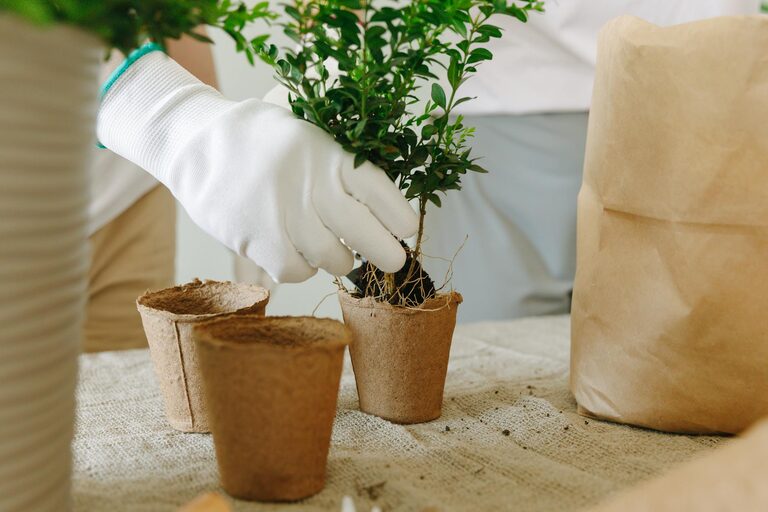
Start Plants from Seeds
Seeds are much cheaper than starter plants. Many seed packets are affordable, and starting your own seedlings allows you to grow rare or heirloom varieties.
Maintaining a Sustainable Garden
Implement Water-Smart Practices
– Water early in the morning or late in the evening to reduce evaporation.
– Use drip irrigation or soaker hoses to target water directly to roots.
– Mulch soil surfaces with straw, wood chips, or leaves to retain moisture.
Encourage Natural Pest Control
Instead of chemical pesticides:
– Grow companion plants that repel pests (e.g., marigolds or basil).
– Attract beneficial insects like ladybugs and bees.
– Handpick pests when possible.
Rotate Crops and Practice Companion Planting
Rotating crops each season prevents soil depletion and reduces disease buildup. Companion planting improves plant health by sharing resources and deterring pests.
Additional Cost-Saving Tips
– Share seeds and cuttings with friends or local gardening groups.
– Visit local nurseries during plant sales or swap events.
– Use homemade fertilizers like diluted compost tea or banana peels.
– Repair tools rather than buying new ones.
Final Thoughts
Creating a sustainable home garden on a budget is achievable with thoughtful choices and a bit of effort. By planning carefully, using natural resources wisely, and embracing eco-friendly practices, you’ll enjoy fresh produce and flowers while supporting the environment — all without overspending.
Start small, stay patient, and watch your garden grow into a beautiful, sustainable space you’ll love to care for year after year. Happy gardening!