


Tips for Creating a Cozy and Productive Home Office Space
Creating a home office that is both cozy and productive can make a significant difference in your daily work routine. Whether you work remotely full-time, occasionally handle tasks from home, or run your own business, having a dedicated, comfortable workspace helps you stay focused and motivated. Here are some practical tips to design a home office that suits your needs and promotes productivity.
Choose the Right Location
Start by selecting a spot in your home where you can work with minimal distractions. Ideally, this should be a quiet corner or a spare room. Consider these factors:
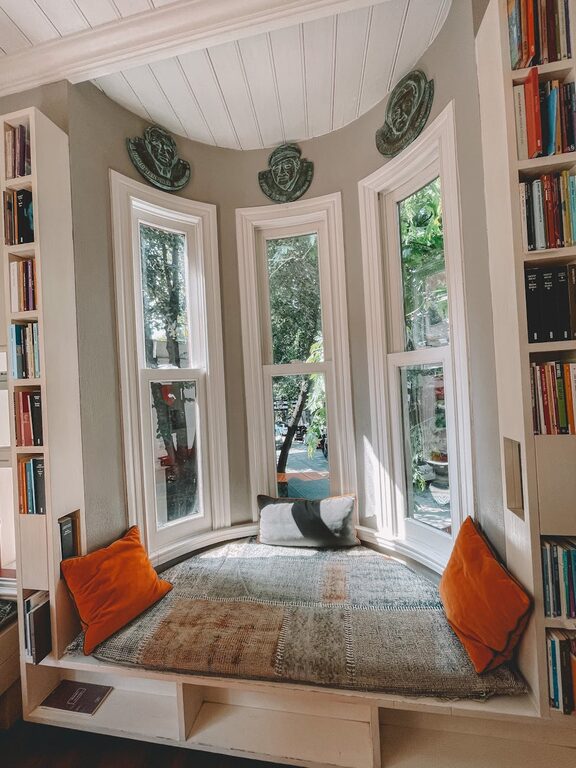
– Natural Light: A space near a window provides daylight, which can improve mood and reduce eye strain.
– Privacy: Choose an area where household noise won’t disrupt your workflow.
– Space: Make sure there is enough room for your desk, chair, and other essentials.
If a separate room isn’t possible, consider using dividers or screens to create a distinct area within a larger space.
Invest in Comfortable Furniture
Your comfort directly influences productivity, so prioritize ergonomic furniture:
– Desk: Choose a desk that fits your room and work style. Some prefer traditional desks, while others like standing desks to switch positions throughout the day.
– Chair: Invest in a chair with good lumbar support. Adjustable height and reclining options enhance comfort.
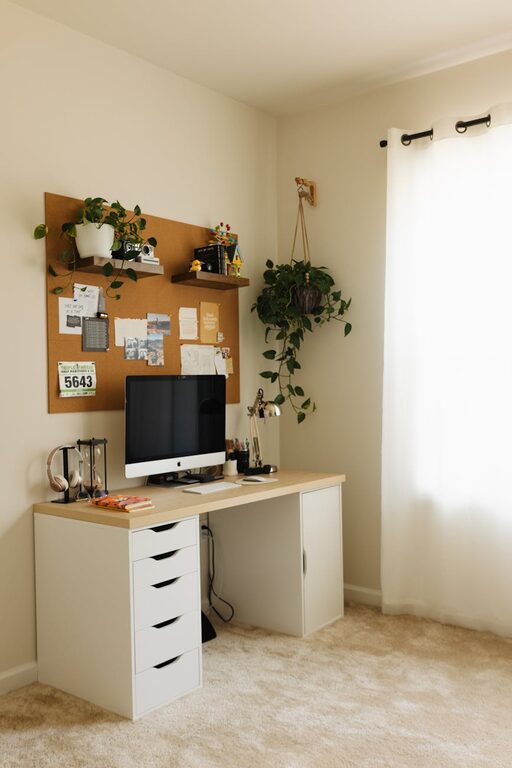
– Storage: Include shelves, drawers, or organizers to keep your workspace tidy.
Comfortable furniture helps prevent back and neck pain, which can distract from work.
Optimize Lighting
Good lighting reduces eye strain and helps maintain focus:
– Combine natural and artificial light: Use daylight when possible, supplemented by task lighting such as desk lamps.
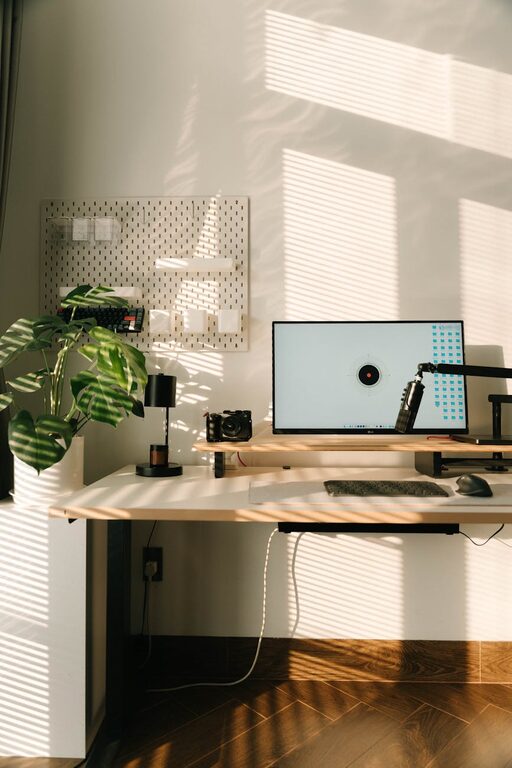
– Avoid glare: Position your computer screen perpendicular to windows to prevent glare on the screen.
– Choose warm light: Warm white bulbs can make the space feel more inviting and cozy.
Adjust lighting to suit the task—brighter for detailed work, softer for reading or brainstorming.
Personalize Your Space
Adding personal touches can make your workspace more inviting:
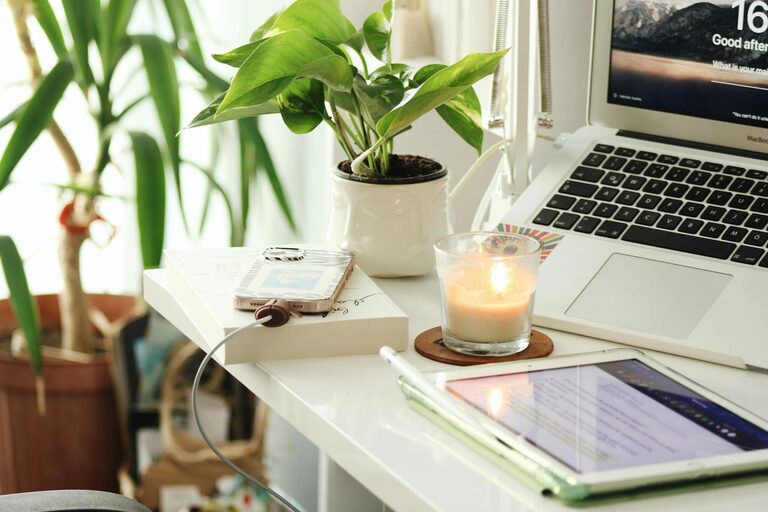
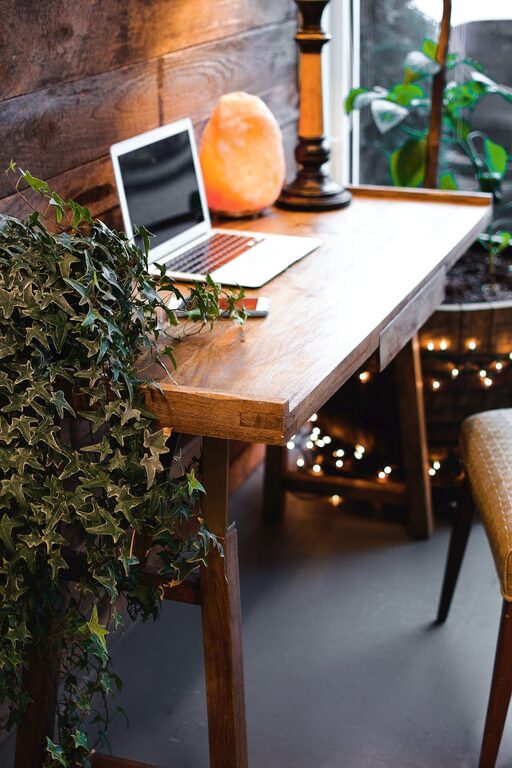
– Decor: Use artwork, plants, or photos that inspire and calm you.
– Colors: Soft, neutral colors typically create a relaxing atmosphere. Bright accents may stimulate creativity.
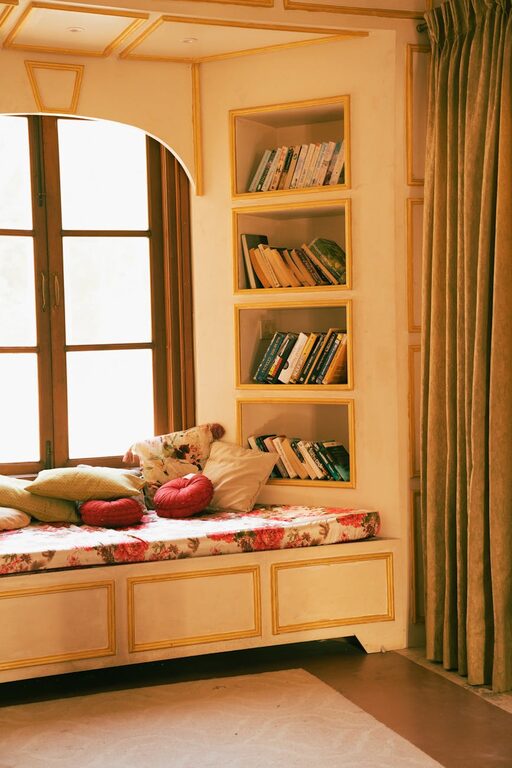
– Textures: Adding cushions or rugs can enhance coziness.
Personalizing your office creates a space you’re happy to spend time in, which supports consistent productivity.
Keep It Organized
Clutter can be distracting and stressful. Here are ways to maintain order:
– Declutter regularly: Set aside a few minutes each day to tidy your desk.
– Use organizers: Drawer dividers, trays, and file holders keep supplies and documents in place.
– Cable management: Use clips or sleeves to neatly bundle cords.
An organized space reduces mental clutter and helps you find what you need quickly.
Incorporate Technology Thoughtfully
Technology is essential but can contribute to distraction if not managed well:
– Essential devices: Ensure your computer, printer, and other tools are reliable and suited to your work.
– Charging stations: Designate one spot for charging phones and gadgets to avoid scattered cords.
– Noise management: Noise-canceling headphones or white noise machines can minimize interruptions.
Keep your tech setup simple and efficient to support your workflow.
Establish Daily Routines
Creating rituals related to your workspace can enhance productivity:
– Set work hours: Treat your office as a professional environment with defined hours.
– Take breaks: Use breaks to stretch or step outside, maintaining energy and focus.
– Workspace rituals: Starting and ending your day by organizing your desk or planning tasks can help signal work time.
Routines help build habits that support effective work in your home office.
Add Elements for Comfort and Well-being
Consider features that promote health and relaxation:
– Air quality: Use air purifiers or plants to keep the air fresh.
– Temperature control: Keep the room comfortable with fans, heaters, or windows opened when appropriate.
– Movement: Incorporate standing or stretching areas if possible.
A comfortable environment supports both well-being and productivity.
Final Thoughts
Designing a cozy and productive home office is about balancing comfort and function. By carefully selecting the location, investing in ergonomic furniture, optimizing lighting, personalizing your space, and maintaining organization, you create an environment that helps you focus and enjoy your work. Remember, small improvements often lead to big differences in productivity and satisfaction.
Take your time planning your workspace and adjust as needed, making your home office a personalized haven for success.