

How to Create a Cozy and Productive Home Office Space
Creating a home office that feels cozy yet encourages productivity can transform the way you work from home. Whether you’re freelancing, managing a remote team, or just need a spot for occasional tasks, your environment plays a big role in how well you focus and how comfortable you feel throughout the day. In this post, we’ll explore practical ideas to help you design a home office that balances comfort with functionality.
Why Your Home Office Space Matters
A dedicated workspace helps signal your brain that it’s time to work, improving concentration and separating your professional life from personal time. Comfort inside your home office reduces physical strain and creates a pleasant atmosphere, which can boost creativity and morale. With some thoughtful planning, you can enjoy a space that invites productivity without sacrificing coziness.
Choosing the Right Location
Prioritize Natural Light
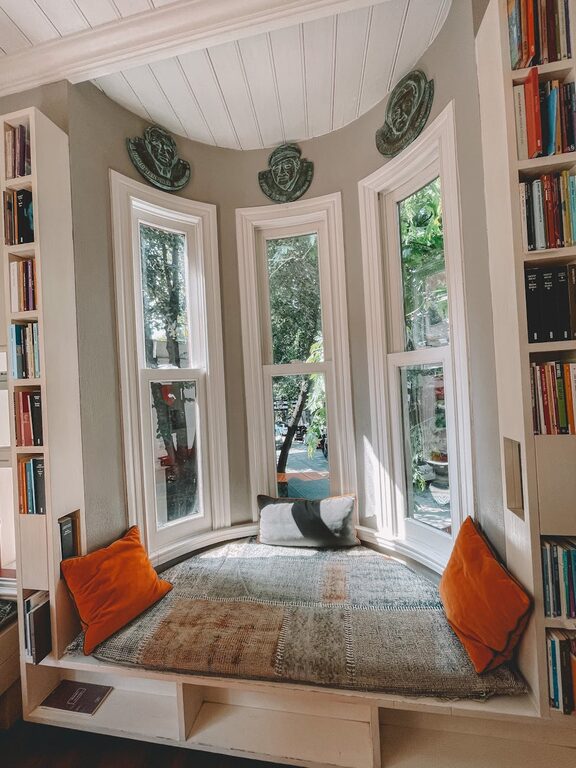
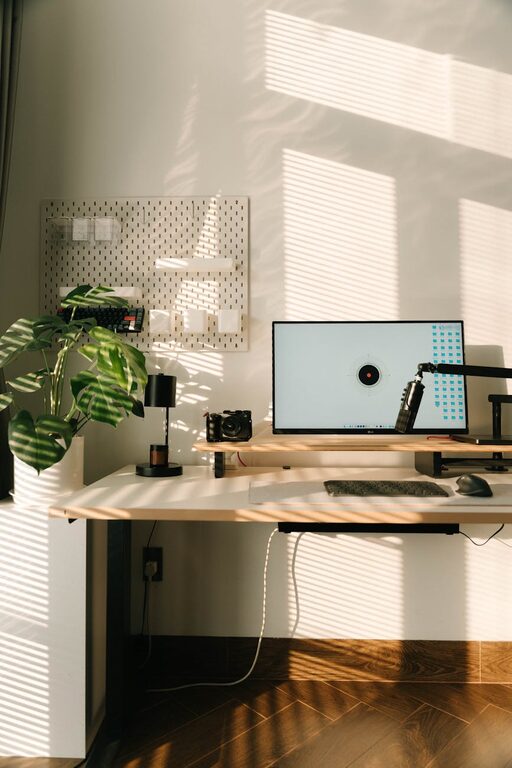
Pick a spot near a window if possible. Natural light can lift your mood, reduce eye strain, and help regulate your daily rhythm. Try to position your desk so the light falls from the side rather than directly behind or in front of your screen, to avoid glare.
Minimize Distractions
Choose a quieter area of your home, away from high-traffic zones like the kitchen or living room. If space is limited, noise-cancelling headphones can also help maintain focus.
Selecting Comfortable and Functional Furniture
Invest in a Supportive Chair
Since you’ll be sitting for long periods, a comfortable, ergonomic chair is essential. Look for one with adjustable height, lumbar support, and breathable fabric to avoid discomfort.
Choose the Right Desk
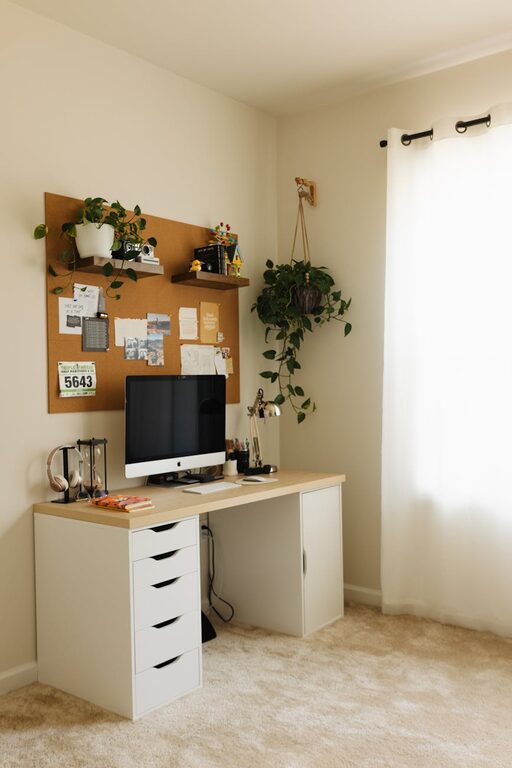
Your desk should have enough surface area for your computer, notepads, and any tools you use frequently. Adjustable desks or those with enough legroom promote better posture and comfort.
Organizing Your Workspace
Declutter Regularly
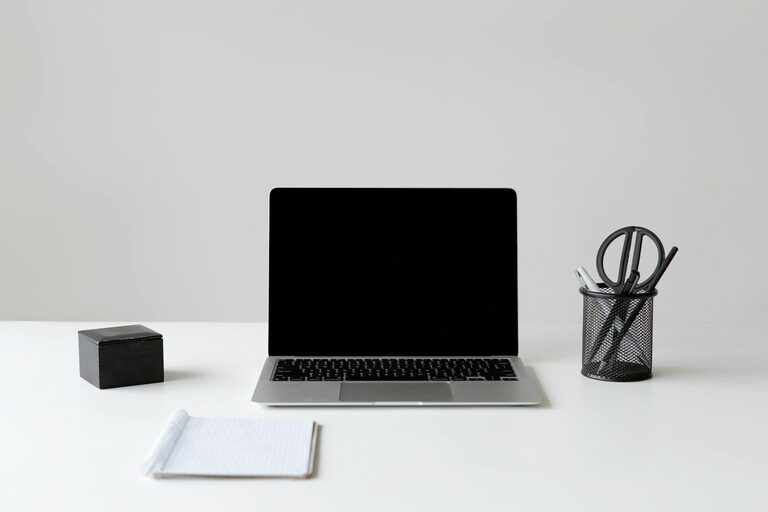
Keep your desk tidy by removing unnecessary items. A clutter-free environment can reduce stress and increase productivity.
Use Storage Solutions
Consider shelves, filing cabinets, or desk organizers to keep paperwork and office supplies in order. Vertical storage helps utilize space efficiently, especially in smaller rooms.
Add Personal Touches for Comfort
Use Soothing Colors
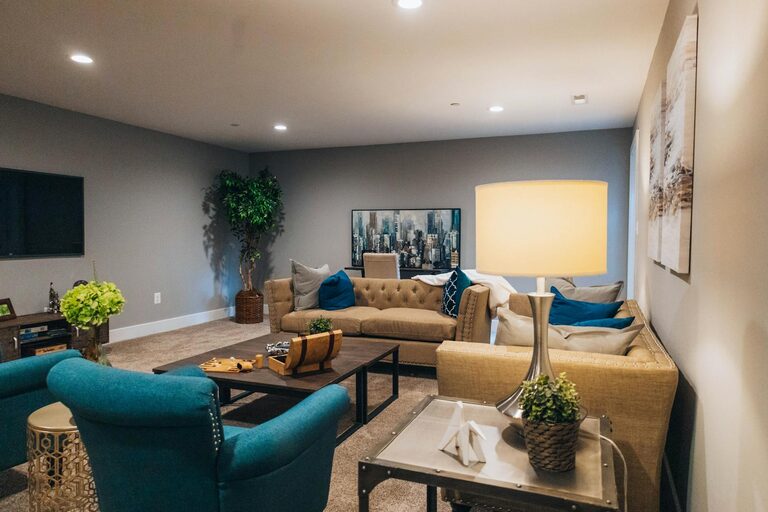
Paint the walls or add decor in calm tones like soft blues, greens, or neutrals. These colors are known to evoke relaxation and focus.
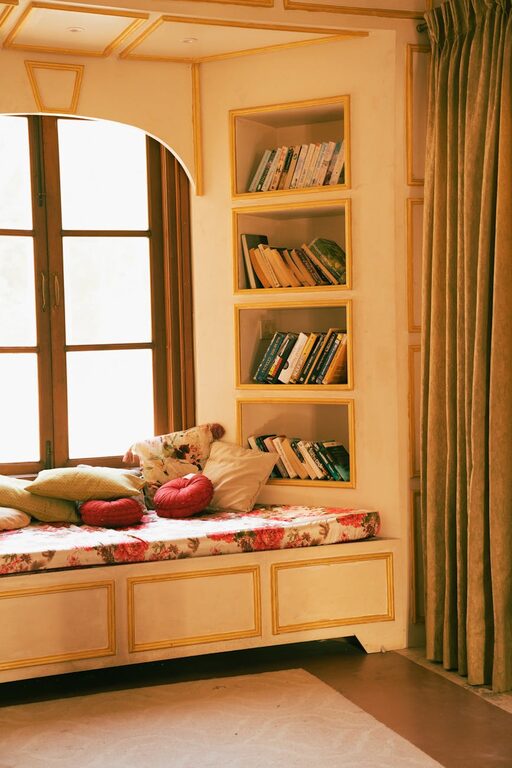
Incorporate Soft Textiles
A cozy rug, cushions, or a throw blanket can make the space feel warmer and more inviting without feeling unprofessional.
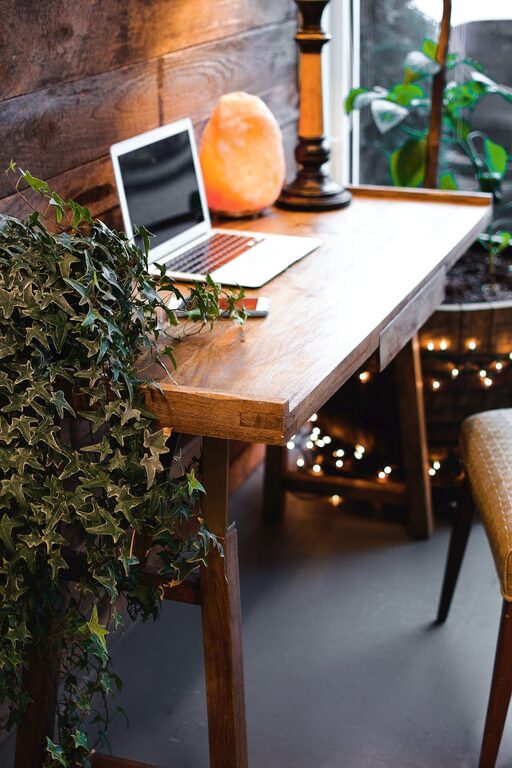
Bring in Greenery
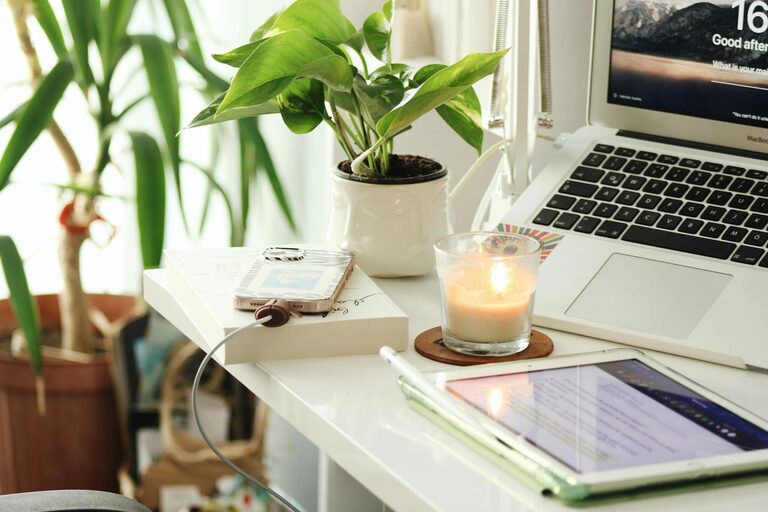
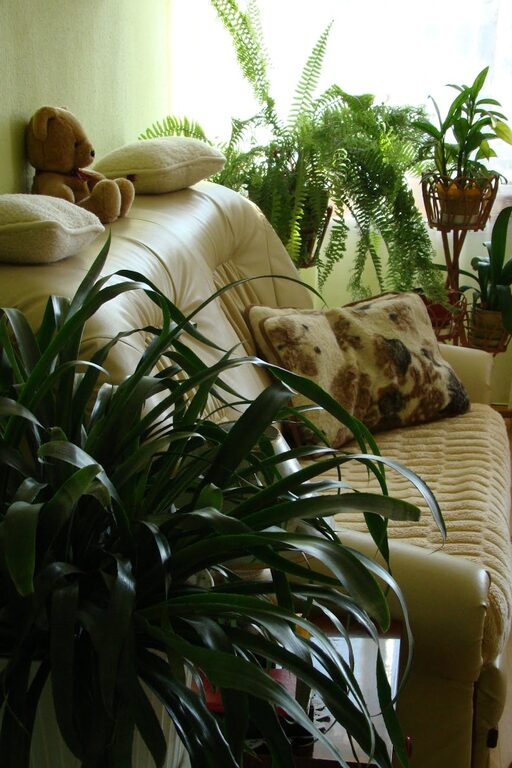
Houseplants not only improve air quality but also add life and color to your office. Easy-to-care-for plants like succulents or spider plants are great options.
Optimize Lighting Beyond Natural Light
Layer Your Lighting
Combine overhead lights with task lighting such as desk lamps. Adjustable lamps let you control brightness and reduce eye strain during late work sessions.
Choose Warm Bulbs
Warm light creates a cozy atmosphere, while cooler white light can help keep you alert. Use a mix depending on the time of day or your work type.
Set Boundaries and Routines
Define Work Hours
Establishing clear start and end times helps separate work and personal life, which is key when working from home.
Use Visual Markers
If you share your home, a simple sign or a partially closed door can signal that you are in work mode and should not be disturbed.
Incorporate Technology Thoughtfully
Cable Management
Use clips, sleeves, or boxes to keep cords organized and out of sight, contributing to a cleaner workspace.
Reliable Equipment
Ensure your internet connection, computer, and peripherals like keyboard and mouse are dependable and comfortable for extended use.
Maintain Your Space Regularly
Clean Weekly
Wipe down surfaces and vacuum or sweep to keep your office fresh and inviting.
Reassess Setup Periodically
As your needs change, update your layout or equipment to stay comfortable and productive.
—
Creating a cozy and productive home office isn’t about spending a lot of money or transforming an entire room. Small, thoughtful changes in lighting, furniture, organization, and ambiance can make a significant difference. The key is to design a space that suits your personal workflow and makes you look forward to spending time there. Start with these tips and adjust as you find what works best for you!